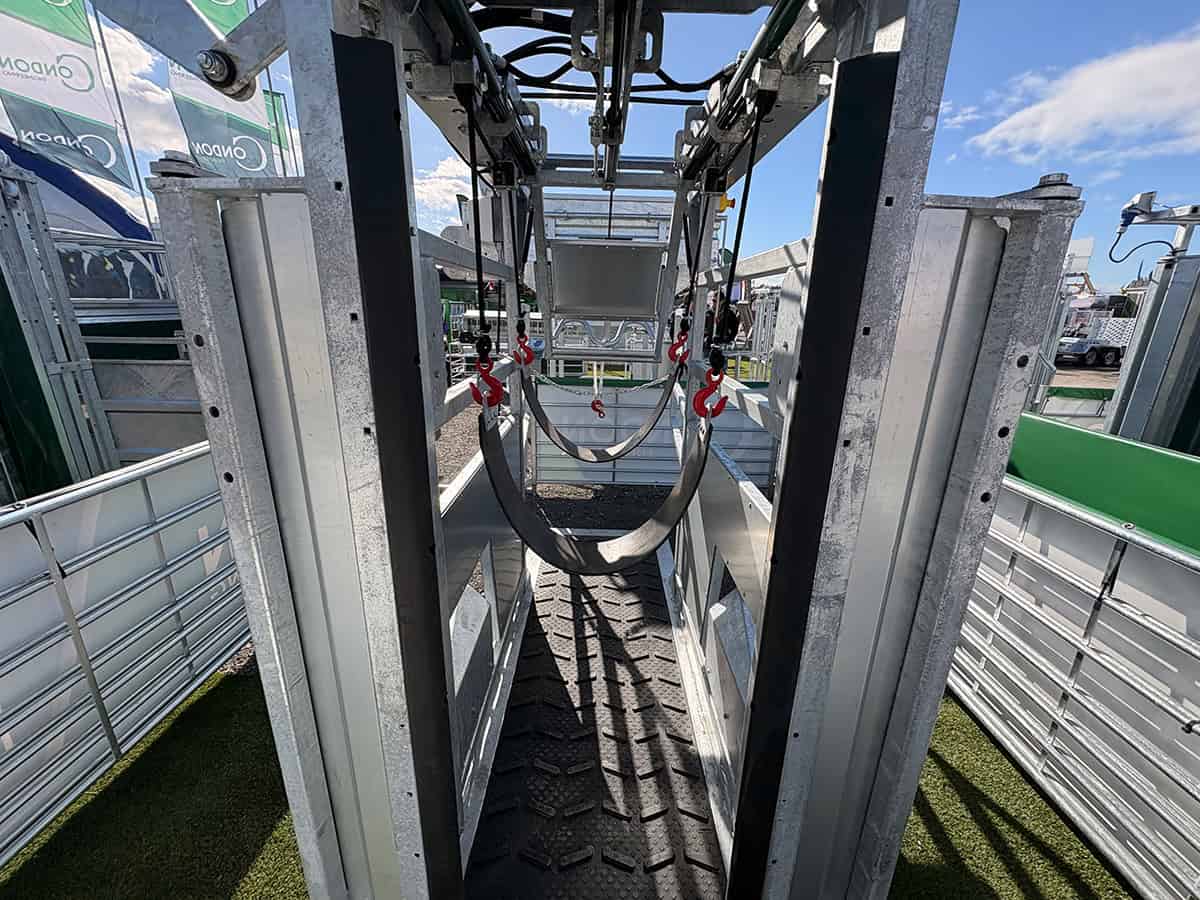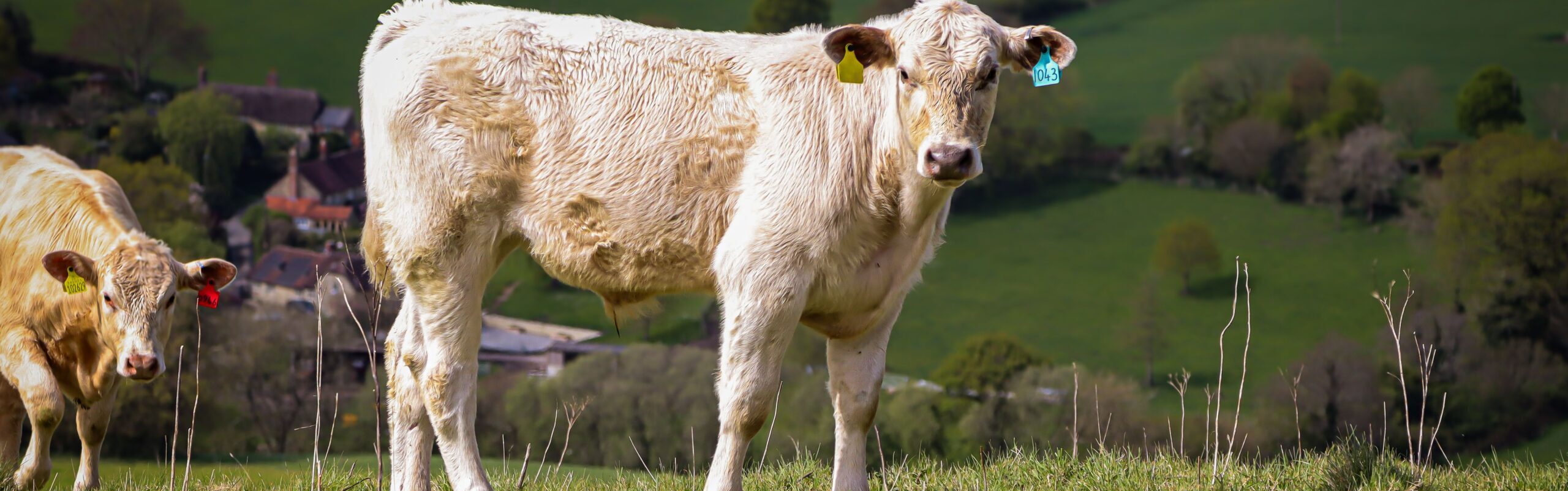
Working with cattle can be difficult and risky. Cattle are big, strong and quick to move when they feel stressed. A good cattle crush keeps both the animal and the handler safe during everyday farm jobs. At Mackins, we supply sturdy cattle handling equipment built for farms across Northern Ireland. This guide explains what a crush does, the main types you can choose from, and why so many smallholders and seasoned farmers rely on one. If you are new to keeping cattle, this is a great place to start.
What Is a Cattle Crush Used For?
A cattle crush is a strong, narrow stall that holds an animal still for a short time. Some people call it a cattle squeeze, a squeeze chute or a livestock crush. The frame locks gently around the animal so it cannot turn, kick or bolt. This keeps the handler out of harm’s way and keeps the animal calm.
Once the animal is held safely, farmers and veterinarians can carry out routine tasks with far less stress. Common jobs include vaccinations, fitting ear tags, checking weight, pregnancy testing, hoof trimming and general examinations. A crush turns a tricky, two-person struggle into a quick, simple task.
What Are the Different Types of Cattle Crush?
Not every farm needs the same setup. The right choice depends on your herd size, your budget and how often you handle stock. There are plenty of options available when choosing the correct crush. Mobile Crushes come in a various range from basic manual crushes to more complex crushes included below: Manual crush available in 8ft/16ft, Squeeze Crush, Hydraulic Squeeze, Supreme, Hoof Pairing. There is also the option to add a weigh bridge or headscoop to your crush.
Manual Cattle Crush
A manual crush is most common on smaller farms. The operator pulls levers and handles to lock the head gate and hold the animal in place. It has no engine or pump, so there is little that can go wrong. This makes it simple to use, easy to look after and friendly on the budget.
Squeeze Crush
Our Cattle Squeeze Crush is a strong, hard-wearing option for farmers who want safe, no-fuss handling. The Squeeze Crush is designed to suit herds with a variety of cattle sizes. With the Squeeze controls on the side of the crush box allows any hand operation and increases efficiency. Provides full unrestricted access to the sides and neck of the animal. Warrior Head Gate integrated into the design.
Mobile Cattle Crush
A mobile crush is built on or towed by a trailer, so you can move it between pastures, yards and outlying fields with ease. A mobile crush suits farms with land that is spread across several sites, or farmers who rent fields away from the main yard. For a complete, self-contained unit, our Portable Crush gives you safe handling on the move. Instead of moving the animals a long way, you simply bring the handling gear to them.
Hydraulic Cattle Crush
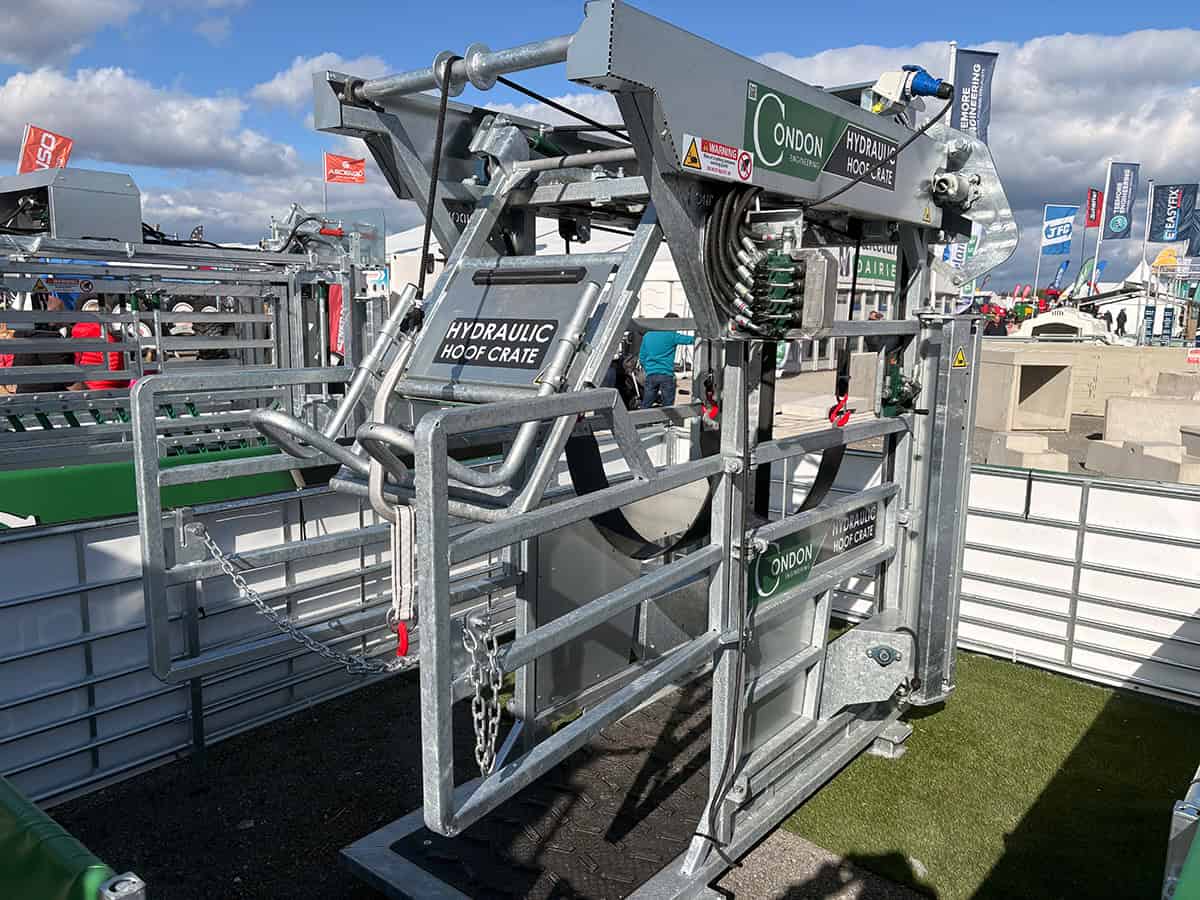
A hydraulic crush uses a hydraulic system to do the heavy lifting for you. With the press of a control, it engages the head gate, squeezes the sides and works the rear gate quietly and quickly. This greatly reduces physical effort, which helps a lot on large farms or where stock is handled every day. Our Hydraulic Squeeze Crush is built for exactly this kind of daily, high-volume work. It costs more at the start, but it saves your back over many years of use.
What Are the Benefits of Using a Cattle Crush?
The biggest benefit is safety. Cattle can injure its handler in a flash, even without meaning to. A cattle crush holds the animal firmly, so the handler and the vet stay protected. This alone makes it one of the best tools you can own.
There are plenty of other wins too. A crush:
-
Lowers stress for the animal, which keeps it healthier and calmer
-
Speeds up routine jobs like dosing, tagging and weighing
-
Lets one person handle stock that once needed two or three
-
Reduces the risk of bruising or injury to the cattle
When animals stay calm, they recover faster and feed better. That is good for welfare and good for your profit. Over time, a reliable crush pays for itself.
How to Look After Your Cattle Crush
A well-kept crush lasts for many years and stays safe to use. With a little regular care, you can avoid breakdowns on the day you need it most. The good news is that most upkeep is quick and simple.
Start by keeping the frame clean. Mud, muck and damp can cause rust over time, so give it a wash down after heavy use and let it dry. Check the moving parts often, such as the head gate, side gates and locking pins. A drop of oil or grease keeps them working smoothly and stops them seizing up. Look out for worn bolts, loose joints or bent bars, and sort small faults before they grow.
If you own a hydraulic crush, the care is a little different. Check the hydraulic system for leaks, keep the fluid topped up and follow the maker’s service guide. A quick look before each big handling job pays off.
Choosing the Right Cattle Crush in Northern Ireland
Choosing the right model comes down to a few simple questions. Consider the size of your herd, how frequently you handle cattle, and whether you work from a single handling yard or across multiple locations. A small holding might only need a sturdy manual crush, while a busy commercial farm may want the speed of a hydraulic one.
It also helps to think about the space you have and how the crush will link to your race or pens. A good fit means smoother handling and fewer headaches on the day. If you are unsure, our team is happy to talk it through. We have helped many farmers across Northern Ireland match the right gear to their setup.