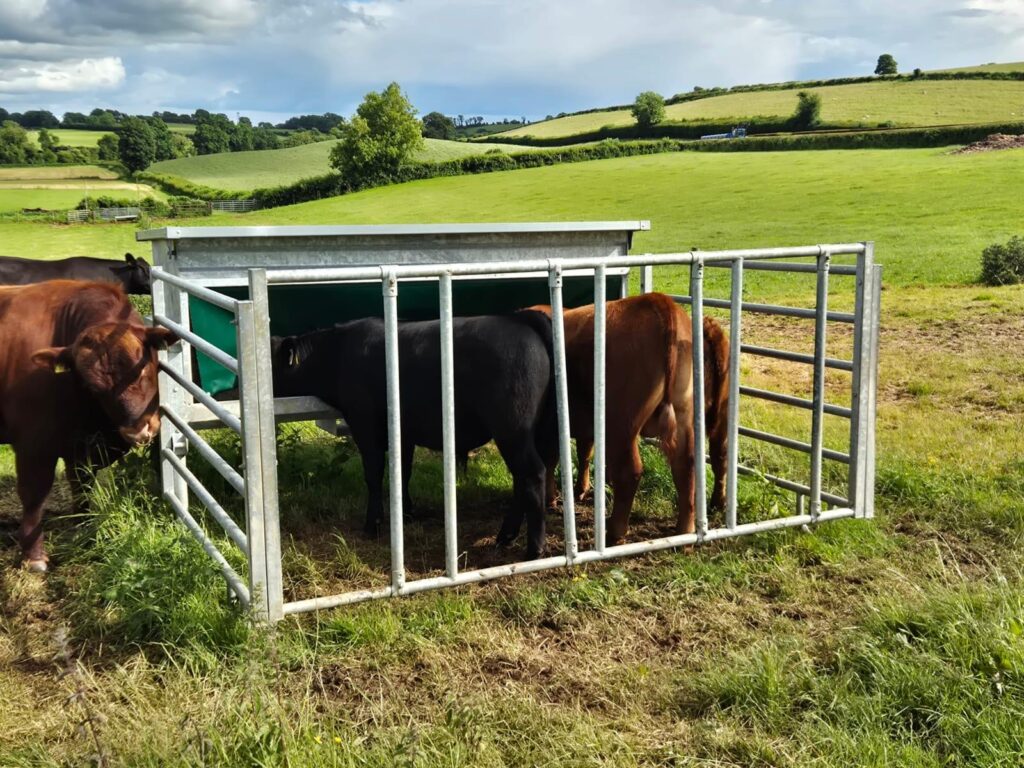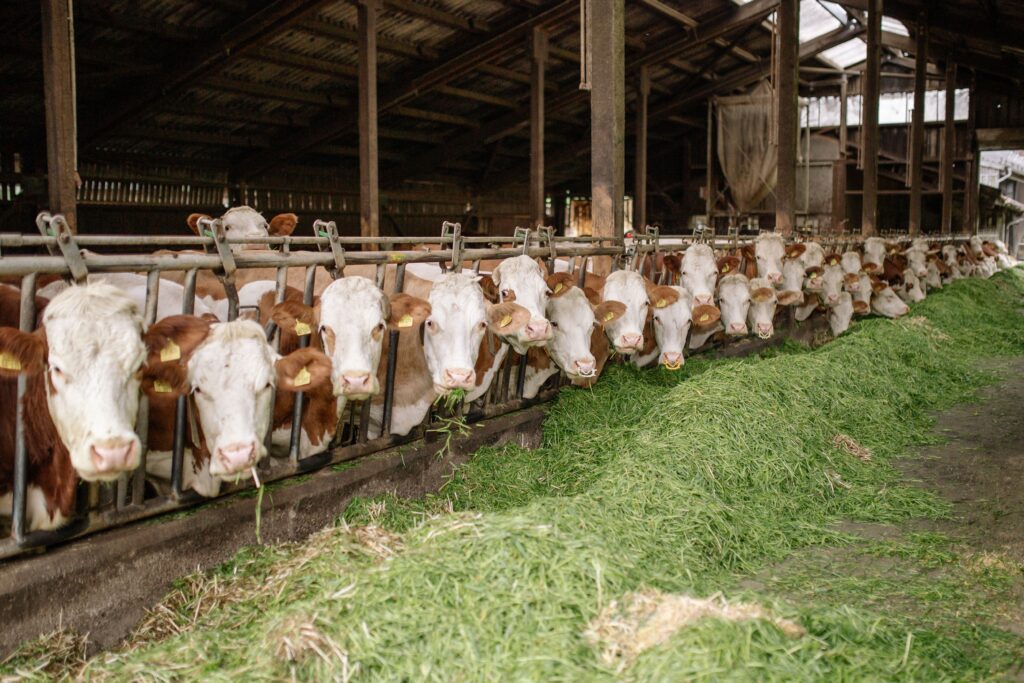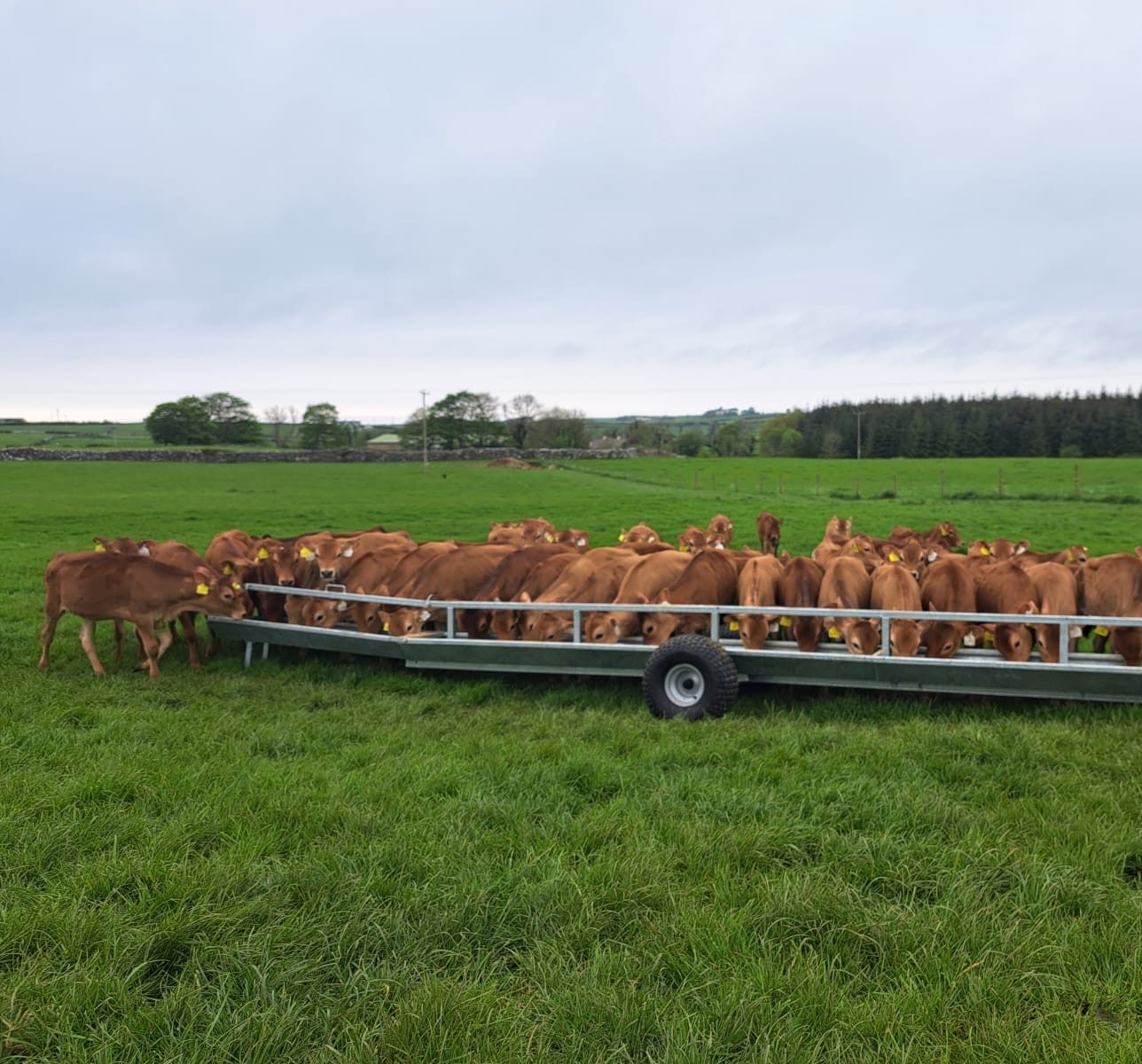
A good cattle ring feeder helps you cut waste, save money, and keep your herd healthy. On farms across Newry, South Down, and South Armagh, feeding cattle well matters all year round. At Mackins, we supply farmers with reliable feeding equipment built for local conditions. This guide explains what a ring feeder does, why it helps, and how to pick the right one. Whether you run a small suckler herd or a larger beef operation, the right kit makes daily work easier.
What Is a Cattle Ring Feeder?
A cattle ring feeder is a round metal frame placed around a bale of silage or hay. Cattle push their heads through gaps in the frame to reach the feed. The ring keeps the bale in one spot and stops cattle from walking on it. This simple design cuts feed waste and keeps the feeding area tidier.
Ring feeders come in different styles to suit different herds. Some have straight bars, while others have angled or shaped openings. The right style depends on your cattle and how you feed them. You can view our 20-cow ring feeder on its product page.
Why Ring Feeders Reduce Waste
Wasted feed costs money. When cattle pull hay onto wet ground, much of it gets trampled and spoiled. A well-made ring feeder keeps the bale contained and off the mud. This means more of the feed ends up in the animal, not on the floor.
Less waste also means fewer top-ups. You spend less time refilling and moving bales. Over a full winter, this saves both feed and labour. For farmers in wetter areas like Warrenpoint and Rostrevor, keeping feed off soggy ground makes a real difference. Good feeding equipment for cattle pays for itself over time.
How to Choose the Right Cattle Feeding Equipment for Beef Cattle
Choosing the right feeding equipment for cattle starts with knowing your herd. Beef cattle come in different sizes, ages, and temperaments. The feeders that suit calves will not suit mature cows. Here are the main points to think about.
Herd size and group numbers. Count how many animals feed at once. A ring feeder must offer enough spaces so cattle are not fighting for room. Crowded feeders lead to stress and uneven feeding.
Animal size and horns. Larger or horned cattle need wider gaps and stronger frames. Smaller stock may need designs that stop them climbing in.
Feed type. Silage, hay, and straw feed differently. Some feeders suit round bales, while others handle square bales or loose feed. Match the design to what you feed most.
Build quality and safety. Look for strong steel and smooth edges. Weak or sharp feeders cause injuries to both cattle and handlers. Safe, sturdy gear protects your animals and your staff.
Ground and location. Wet, soft ground calls for feeders that sit stable and move easily. Think about how you will shift the feeder when the ground cuts up.
You can browse our full range on the cattle feeding equipment page. If you are unsure which design fits your setup, our team is happy to advise.
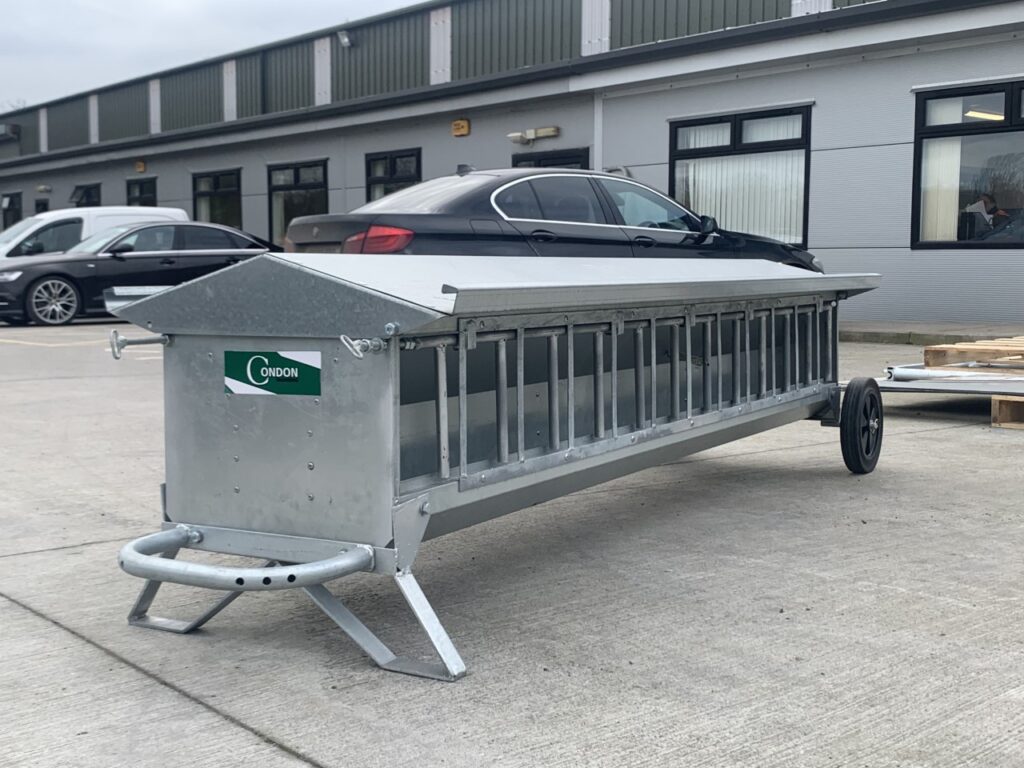
Ring Feeders and Cattle Health
Feeding equipment does more than hold hay. It affects how healthy your herd stays through the season. A safe ring feeder lowers the risk of cuts, bruises, and trapped heads. This keeps vet bills down and animals calm.
Clean feeding also matters. When bales sit off the ground, they stay drier and less likely to grow mould. Mouldy feed can make cattle ill. By keeping feed contained and off wet soil, a ring feeder supports better animal welfare.
Working safely around cattle matters most at busy feeding times. The Health and Safety Executive for Northern Ireland offers useful safe cattle handling equipment guidance worth reading.
Positioning Your Ring Feeder
Where you place a feeder affects how well it works. Put feeders on firmer ground where possible. This reduces poaching, the muddy churn that forms around busy feeding spots. Moving feeders now and then spreads the wear and keeps ground in better shape.
Give cattle enough room to approach from all sides. Crowded corners cause pushing and bullying at the feeder. Spacing feeders out lets shy or younger animals feed in peace. Good placement makes daily feeding calmer and safer for everyone involved.
Caring for Your Feeding Equipment
Well-kept equipment lasts longer and works better. Check your cattle ring feeder for damage at the start of each season. Look for bent bars, rust, and sharp edges. Fixing small faults early stops bigger problems later.
Store feeders under cover when not in use if you can. This slows rust and keeps the steel strong. A quick clean between uses also helps stop the spread of disease. Simple care keeps your feeding equipment for cattle ready for the next winter.
Why Buy From Mackins
We know farming in the Newry area because we are part of it. Our team understands the weather, the ground, and the pressures of a busy beef farm. That local knowledge helps us guide you to feeders that suit your setup.
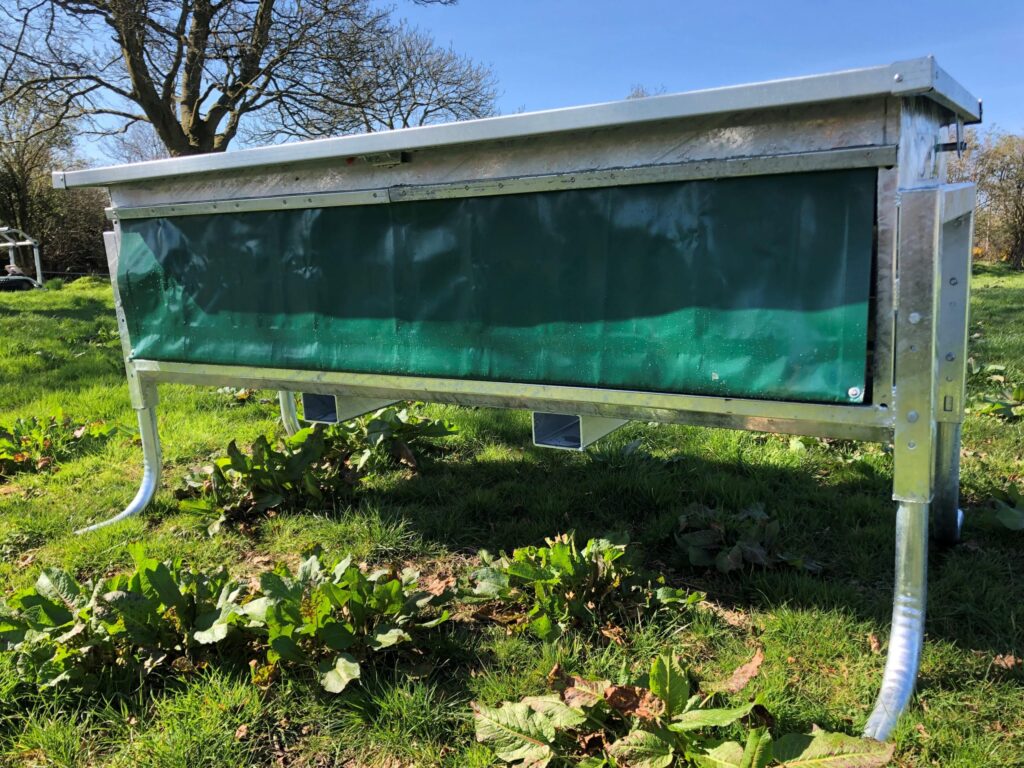
At Mackins, we stock feeding equipment chosen for strength and value. We are always glad to talk through your options and share honest advice. If you have questions about a cattle ring feeder or any other kit, get in touch with our team. You can also explore our full range online to see what suits your farm.
Frequently Asked Questions
How many cattle can one cattle ring feeder hold?
This depends on the feeder size and your herd. Count the feeding spaces and allow room for each animal. Crowded feeders cause stress, so give shy cattle spaces too.
Are ring feeders safe for horned cattle?
Yes, if you pick the right design. Horned cattle need wider gaps and a strong frame. Check for smooth edges to lower the risk of injury.
How often should I move my ring feeder?
Move it when the ground gets muddy and churned. Shifting the feeder spreads wear and keeps the area drier. This protects both the ground and your feed.
What is the best feeding equipment for cattle in winter?
Strong, stable feeding equipment for cattle works best in wet weather. Keep bales off soft ground to cut waste and stop mould.
Final Thoughts
The right cattle ring feeder saves feed, protects your herd, and makes daily work simpler. By choosing strong, safe equipment that fits your cattle, you get better value from every bale. Think about herd size, feed type, and ground conditions before you buy. With good feeding equipment and a little care, your beef cattle stay well fed through the toughest months.