Picking the right cattle feeding equipment is one of those decisions that affects your farm every single day. Get it right, and feeding time runs smoothly. Get it wrong, and you are dealing with wasted feed, bullying at the barrier, and cattle that are not getting what they need.
At Mackins, we stock a full range of cattle feeding equipment for farms of every size. This guide covers the main types of cattle feed barriers, how to size your setup, and what to look for before you buy.
What Is a Cattle Feed Barrier?
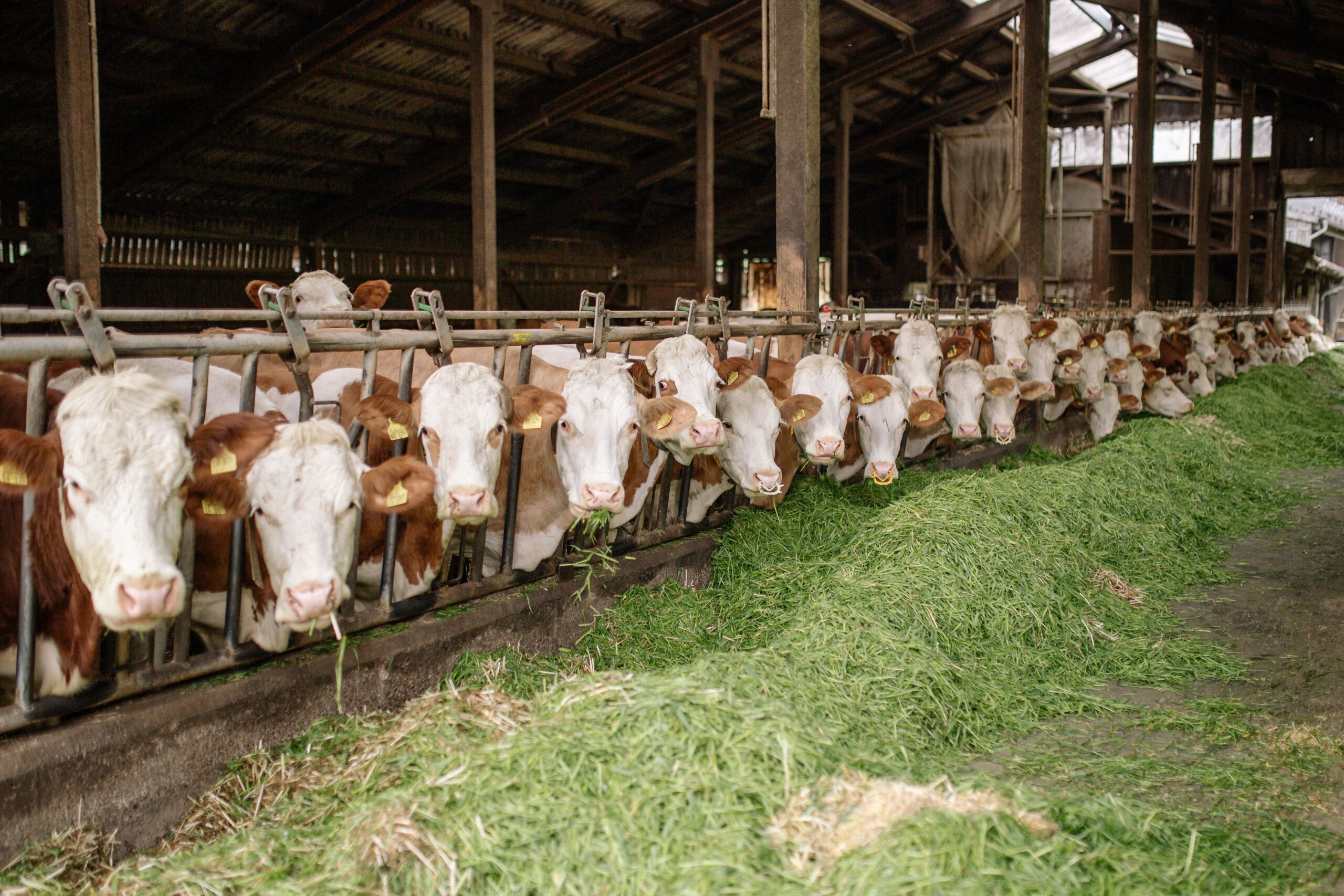
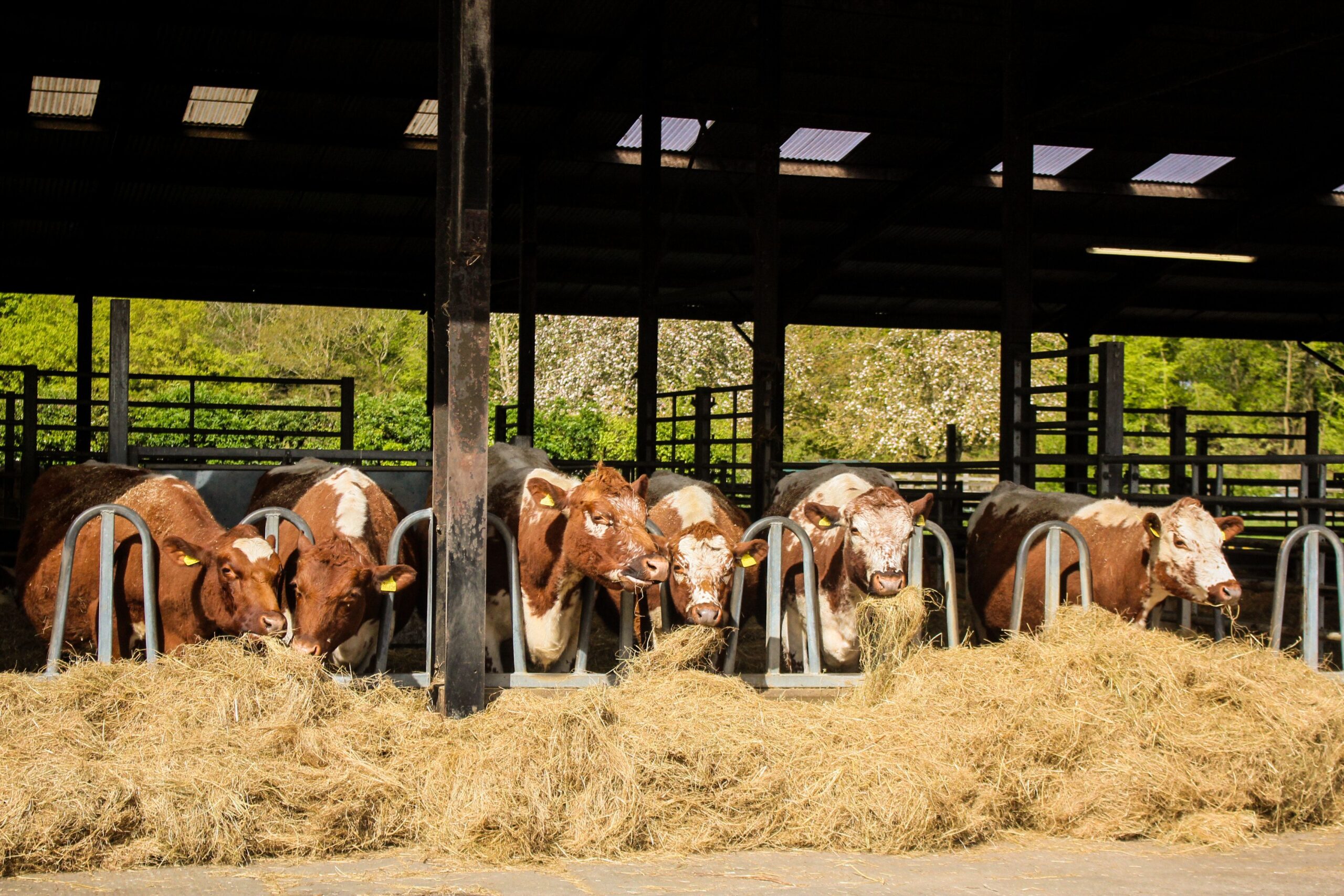
A cattle feed barrier is a steel fence fitted along the front of a feed passage. It lets cattle put their heads through to eat while keeping them in line and preventing them from standing on or contaminating the feed. It is one of the most important parts of any indoor livestock feeding system.
Good cattle feeding equipment does three things well. It gives every animal fair access to food. It cuts feed waste. And it makes the farmer’s job easier day to day.
Types of Cattle Feeding Equipment
Knowing your options makes it much easier to pick the right equipment. Cattle feeders and barriers come in several different forms, each suited to a different farm setup, herd type, or feeding method. Here is a breakdown of the main types.
Fence line feeding barriers are one of the most practical setups for housed cattle. Feed is distributed along a central concrete alleyway on the outside of the pen, and cattle reach through the barrier to eat. This removes the need to drive a tractor or handler into the pen at feeding time, which cuts stress on the animals, protects your barn floor and field ground from machinery damage, and reduces feed waste compared to dropping bales directly into a pen. Feeding barriers can come as standard for a 15ft 9” bay, but we also offer a made to order barrier to fit your bay size. Feed barriers are available both fixed and swinging. We offer a diagonal fixed barrier, diagonal swinging barrier, timber feed barrier & Headlock Feed Barrier.
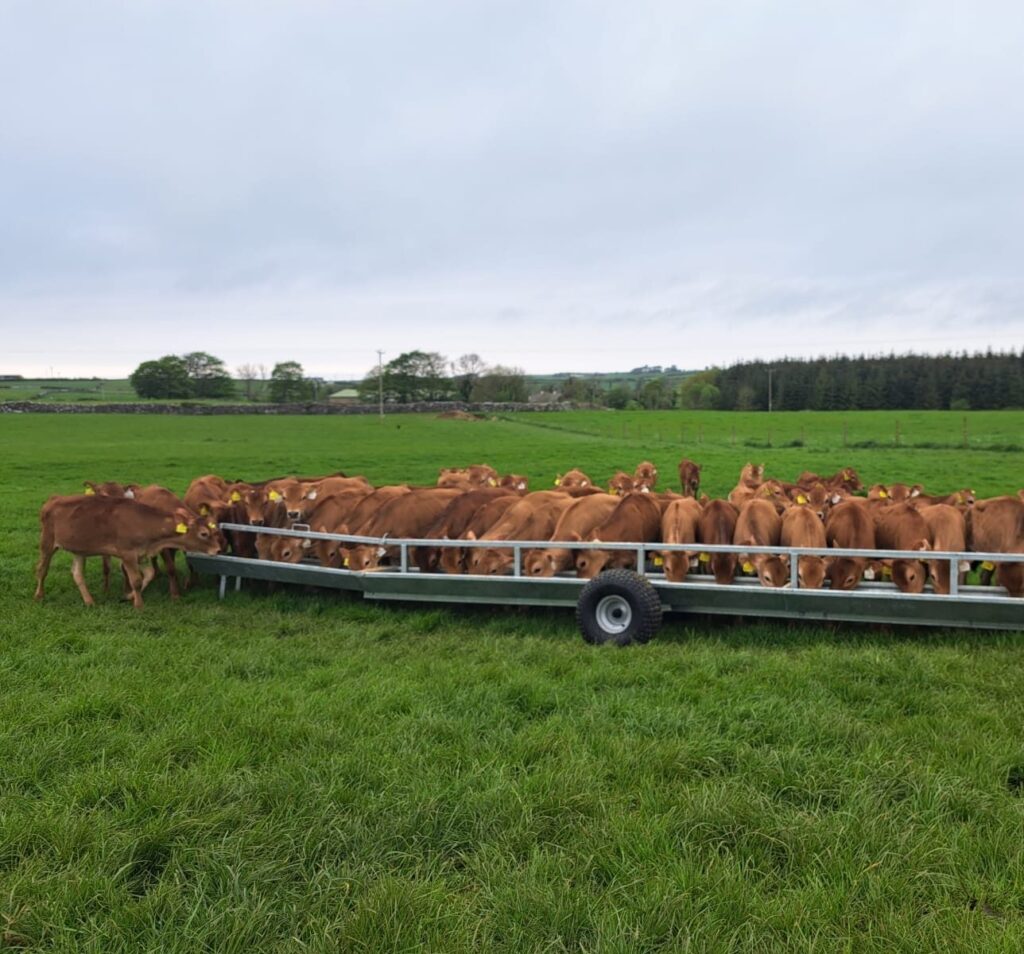
Cow ring feeders are heavy-duty circular feeders placed around a large bale of hay or silage. Multiple cattle can eat at the same time while the bale stays contained and off the ground. Models with anti-waste angled bars make cattle twist their heads slightly to eat, which stops them pulling hay out and dropping it underfoot. Ring feeders are highly mobile and cost-effective, making them a popular first choice for beef farmers and smallholders alike.
Controlled feeders take a different approach. Rather than letting cattle eat freely, they are designed to regulate how much feed cattle can access. This prevents gorging, supports more even intake across the herd, and stretches feed supplies further. Double-sided feeding means more calves can eat at once, and the unit is fully hot-dip galvanised for long-term durability.
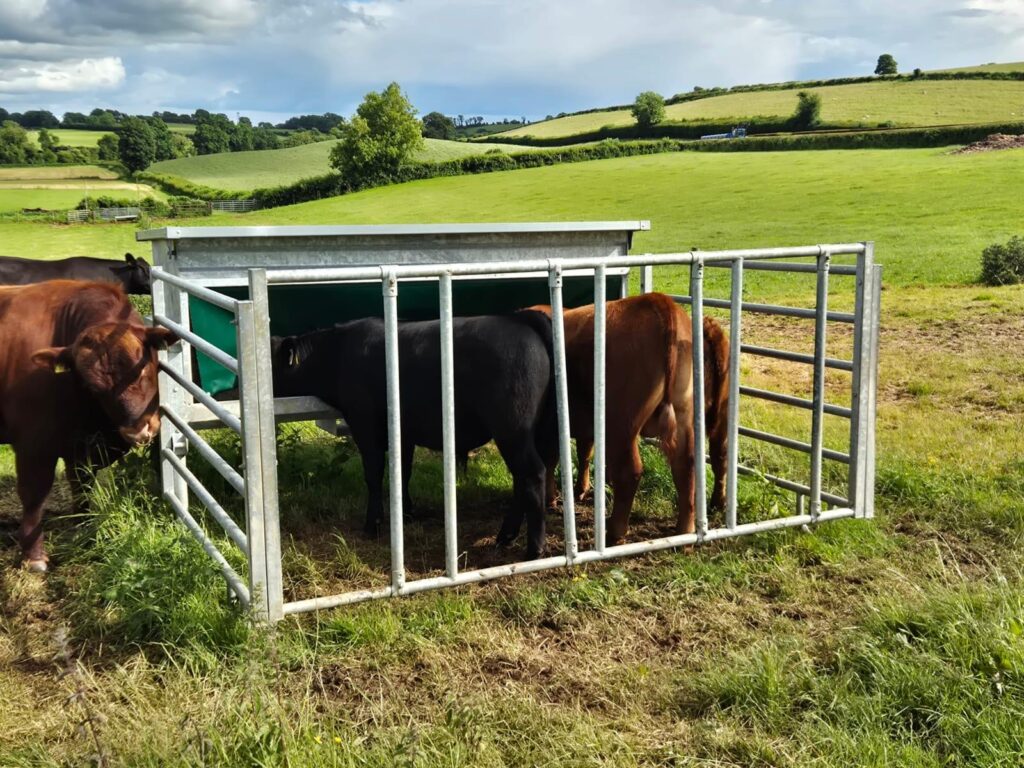
Creep feeders are enclosed feeding stations built specifically for calves. The design lets young stock access supplemental grain or concentrate feed while the gaps or entry points are sized to physically stop adult cows getting in. Calves get the extra nutrition they need in the early months without competition from larger animals. The calf creep feeder offers farmers maximum flexibility when feeding outdoors.
Cattle Feed Barriers and Troughs: What to Know
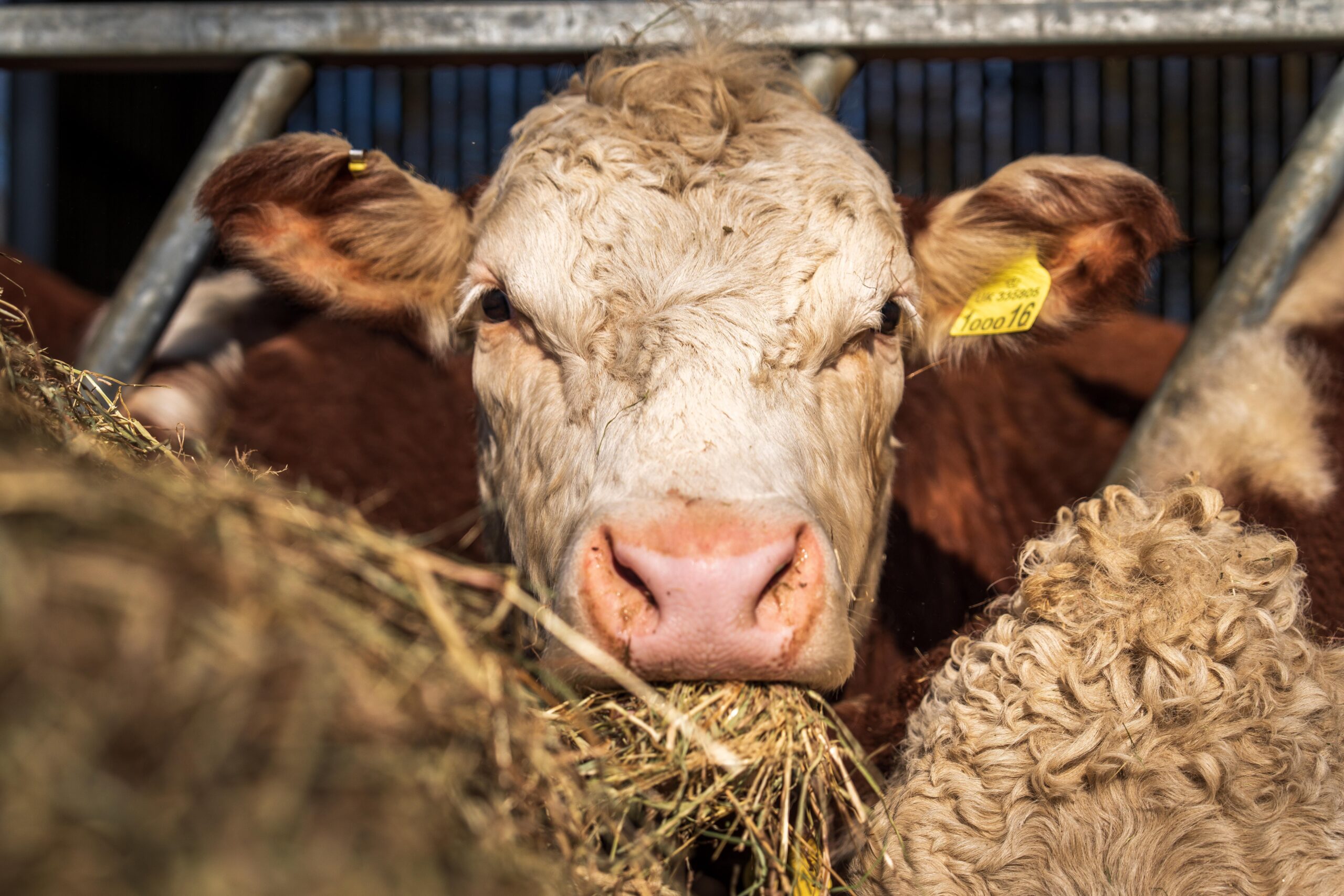
A cattle feed barrier with trough combines the barrier and feeding trough into one unit. The trough sits at the base of the barrier, catching any feed that falls and keeping it off the floor. This setup works well for farms feeding concentrates, blends, or damp feeds like brewers’ grain or wet silage. It reduces feed wastage and stops animals walking through their feed, which is a common problem with open bale feeding. Feed access improves because cattle line up along the barrier rather than crowding a bale, and when headlocks are fitted, herd management becomes simpler too. Tractor or mixer wagon feeding from the alley side is also straightforward, keeping machinery away from the animals entirely.
Browse our full range of cattle feeding equipment at Mackins to find barriers and troughs sized for your shed.
Choosing the Right Feeding Equipment for Your Setup
The right feeding station for your farm comes down to four questions:
- Are your cattle horned or polled?
- Do you need to restrain animals individually at the barrier?
- Are you feeding dry feed, concentrates, or wet feed?
- How many heads do you need to accommodate at peak feeding time?
Regular individual handling calls for headlocks. Wet or loose feeds need a trough at the base of the barrier. And herd size determines the total run length you need.
If you are not sure which setup suits your shed, get in touch with the team at Mackins and we can help you work it out.
How to Stop Dominant Cattle Bullying at the Feeder
Bullying at the feeder is one of the most common problems farmers deal with at feeding time. A handful of dominant animals take up the best spots, and quieter or younger cattle hang back and go short. Over time, those animals lose condition, fall behind in growth, and become harder to manage.
The most effective fix is simple: give your herd more feeder space. When cattle are not competing for a limited number of spots, dominant animals have less reason to chase others off. Providing one head space per animal at a minimum, with a few extra spaces built in, takes the pressure off considerably.
Barrier type also plays a part. Diagonal barriers and headlocks keep each animal in its own space and make it harder for a dominant cow to block her neighbour. Open straight rails give pushy cattle more room to move along and crowd others out.
Putting out more than one ring feeder in the field has the same effect. Two or three feeders spread across a group means subordinate animals can move to a quieter spot rather than waiting for the dominant ones to finish. It is a low-cost change that makes a real difference to how evenly the herd feeds.
Signs Your Cattle Feeding Equipment Needs an Upgrade
Sometimes a feeding problem is not immediately obvious. It shows up gradually in your cattle’s condition and behaviour rather than as a sudden issue. Here are the signs that your current setup may be letting your herd down.
Some cattle are losing condition while others look fine. This is one of the clearest signs of uneven access at the feeder. If dominant animals are eating well and quieter ones are going short, body condition will start to split across the group within a few weeks.
There is a lot of feed on the ground after feeding time. Trampled or soiled feed is a sign that your feeder type or position is not containing the feed well enough. A ring feeder with an anti-waste bar or a skirted base will hold the bale tighter and keep more feed within reach.
Cattle are spending a long time queuing or standing around the feeder. If animals are waiting rather than eating, there are not enough spaces for the size of the group. Adding a second feeder or extending your feed barrier run is usually the quickest solution.
Your feeding equipment is showing rust, bent bars, or broken welds. Damaged cattle feeding equipment is a welfare and safety risk. Rough edges can cause injuries, and a weakened barrier will not hold a full-grown bull safely. If your setup is aging, it is worth looking at a replacement before a problem forces your hand.
Get in Touch with Mackins Today
Not sure which feeder or barrier is right for your setup? We are here to help. At Mackins, we stock a wide range of cattle feeding equipment to suit all farm types and herd sizes, from single-animal smallholdings to large commercial beef and dairy units.
Contact Mackins today and get the right advice before you buy.